Tag: Advanced Guides
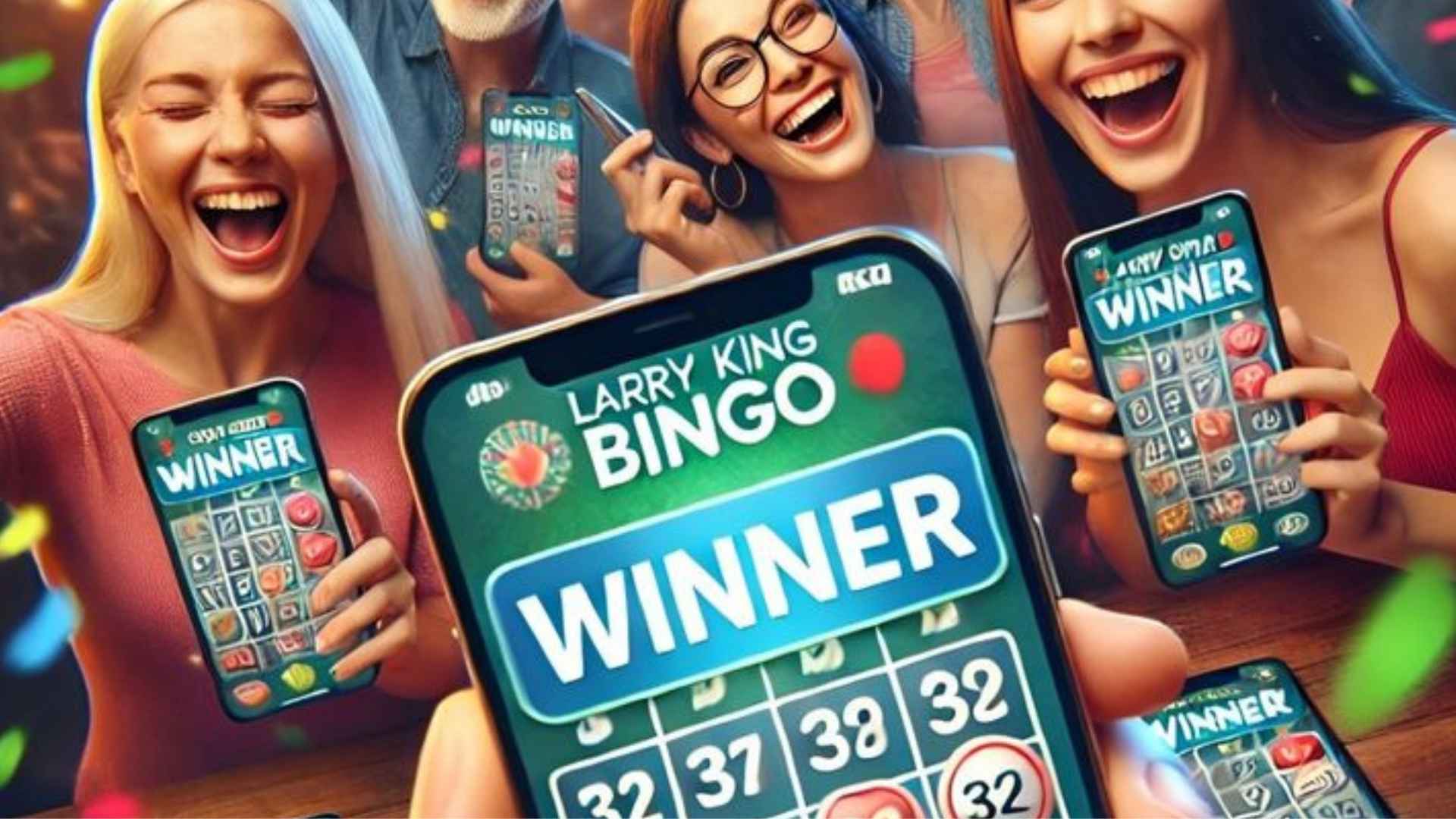
Popular Number Games Across Different Countries
Humanity has long shared a deep fascination with numerical puzzles, using them across global borders to pass the time and engage in critical thinking. From simple ancient arithmetic grids to complex modern smartphone challenges, these activities vary significantly depending on local traditions and historical developments. Exploring the unique preferences of different regions reveals how digital entertainment formats have evolved to serve diverse audiences around the world.
The Asian Focus on Precision and Strategy
In many parts of Asia, logic-driven number challenges enjoy widespread popularity due to an emphasis on mathematical discipline and structural order. Grid-based puzzles such as Sudoku became global phenomena after being refined in Japan, captivating millions with their simple yet deep rules. These games require players to eliminate possibilities systematically, making them excellent tools for daily memory maintenance and mental clarity.
As technology shifts toward interactive web platforms, local enthusiasts are finding new communities to discuss advanced tactical frameworks. Visiting platforms like M88 indonesia allows modern players to connect over digital hobby spaces and explore a wide variety of puzzle mechanics. This blend of traditional strategy and modern accessibility keeps the regional interest in numerical entertainment incredibly robust and forward-looking.
European Preferences for Arithmetic Variations
Across Europe, the love for numbers often takes the form of arithmetic challenges that combine counting with social gameplay mechanics. Classic board configurations and traditional parlor pastimes frequently incorporate probability elements, demanding quick decision-making under casual pressure. Many schools in countries like Finland utilize these structured activities to build practical problem-solving skills in a highly supportive environment.
Furthermore, digital applications have revitalized these old traditions by adding competitive leaderboards and daily achievements. European players enjoy tracking their mental progress over time, turning quick morning commutes into useful opportunities for cognitive sharpening. This healthy balance between recreation and active brain stimulation ensures that numerical pastimes remain highly relevant today.
The Americas and the Rise of Competitive Logic Apps
In North and South America, the digital landscape has completely transformed how people interact with numerical sequences. Mobile gaming apps have streamlined classic number matching mechanics, making them faster, more visually engaging, and highly community-focused. Casual enthusiasts often dedicate a few minutes each day to solving logic puzzles as a reliable method to reduce stress and unwind.
These modern variations focus heavily on rapid pattern recognition rather than dense algebraic formulas, maximizing accessibility for all ages. Educational researchers highlight that these engaging digital habits support executive brain functions and maintain long-term cognitive agility. By integrating logic challenges into the mainstream mobile lifestyle, the region continues to foster a dynamic appreciation for mathematical puzzles.