Tag: https://m88link.id

Is Sports Betting A Good Side Hustle Factors...
Many sports enthusiasts naturally explore whether wagering on their favorite teams can evolve into a dependable secondary income stream. While generating consistent profits from sports wagering is technically possible, treating it as a standard side hustle requires a massive shift in mindset from casual entertainment to disciplined data analysis. Anyone considering this path must evaluate several critical economic and operational factors before committing capital.
Understanding the Difference Between Luck and Edge
A typical side gig usually guarantees a direct correlation between hours worked and money earned. In contrast, sports wagering involves inherent financial variance, meaning even well-researched decisions can lead to short-term losses. Achieving a sustainable edge demands deep statistical knowledge, continuous market monitoring, and an ability to spot mispriced odds before bookmakers adjust them.
Successful bettors rely on analytical models rather than emotional intuition or team loyalty. They analyze player statistics, injury reports, and historical trends to calculate true probability against bookmaker lines. Accessing reliable sportsbooks via secure portals like m88 link alternatif allows active participants to compare market prices across platforms effectively.
Strict Bankroll Management and Risk Control
Without rigorous financial discipline, attempting to treat sports wagering as a side hustle can quickly lead to substantial monetary losses. Experienced handicappers recommend establishing a dedicated betting bankroll that is entirely separate from essential living expenses. Individual stakes should strictly remain between one and two percent of the total bankroll to absorb natural losing streaks without risking capital depletion.
Emotional control plays an equally vital role in maintaining long-term financial stability. Chasing losses after a bad day often destroys bankrolls far faster than normal statistical variance. Maintaining detailed records of every wager helps identify profitable niches while keeping emotional impulses in check.
Time Commitment and Analytical Demands
Treating sports wagering as a serious secondary business requires a significant investment of time every day. Bettors must spend hours parsing data, tracking line movements, and staying updated on real-time news that could impact event outcomes. For many individuals, this intense time commitment can equal or exceed the workload of a traditional part-time job.
Furthermore, the mental fatigue associated with continuous research and financial risk can impact overall well-being. Unlike traditional side hustles where effort guarantees compensation, sports analytics only offers a mathematical probability of long-term profitability. Evaluating whether you possess the patience and technical skills for this demanding routine is essential.
Realistic Expectations and Long-Term Viability
Ultimately, sports betting can serve as a rewarding hobby, but calling it a reliable side hustle is misleading for the vast majority of people. The sports betting market is highly competitive, and bookmakers structure their odds with an inherent house edge designed to ensure operator profitability. Achieving consistent long-term returns requires exceptional discipline, mathematical rigor, and continuous adaptability.
Individuals seeking predictable supplemental income are usually better served by traditional freelance work or skill-based services. However, those who enjoy data science and maintain strict risk controls can approach sports wagering with realistic, cautious expectations. Success depends entirely on managing expectations, tracking metrics, and prioritizing financial safety above all else.
How Traditional Card Tables Encouraged Face To Face...
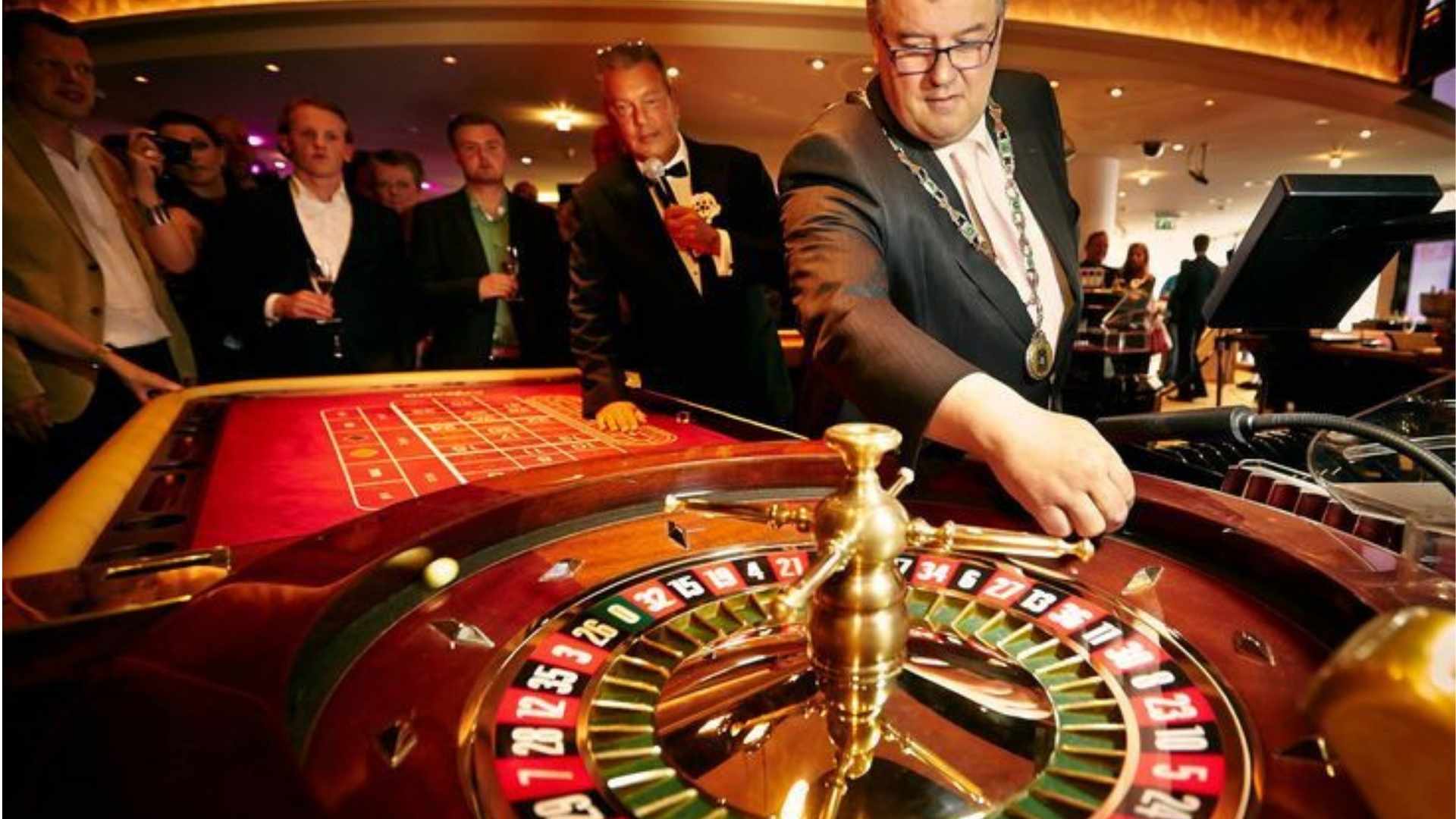
The layout of historical gaming spaces played a significant role in determining how individuals connected and communicated during a match. Long before digital interfaces isolated players behind separate screens, the physical structure of a classic card table served as a social catalyst. These gatherings were designed not just around the distribution of cards, but around the complex human behaviors that emerged from close physical proximity.
The Architecture of Social Gaming Spaces
Traditional card tables were crafted with specific geometric designs that maximized visibility among all participants. Whether round or oval, these shapes ensured that every player could maintain direct eye contact with their opponents and the dealer. This setup made it impossible to ignore the subtle physical cues, expressions, and gestures that define authentic human communication.
Furthermore, the shared physical surface forced players to negotiate space, chips, and cards in an orderly, respectful manner. This continuous proximity naturally fostered a shared sense of community, transforming a simple game into a collaborative social ritual. The boundaries of the table established an intimate arena where interpersonal dynamics were just as important as the rules of the game itself.
Psychological Warfare and Silent Communication
In a face-to-face setting, the psychological depth of a card game relies heavily on reading an opponent's unvoiced reactions. Traditional tables heightened this tension because players sat close enough to observe changes in posture, breathing, or hesitation. These physical elements added layers of strategy that simply cannot be replicated by automated software systems.
As a result, players developed high levels of situational awareness and emotional control to protect their strategies. Engaging in this silent dialogue allowed participants to build a unique rapport, balancing competitive tension with mutual social respect. The immediate feedback from a live opponent provided a profound level of cognitive engagement that kept classic gaming traditions vibrant for centuries.
Preserving Personal Connection in a Modern Era
While modern technology has shifted the majority of card games toward convenient virtual platforms, the desire for genuine interactive experiences remains strong. Many contemporary gaming enthusiasts seek out specific hybrid formats that attempt to bridge the gap between classic social settings and digital ease. Finding a reliable platform through a trusted m88 link alternatif allows players to explore modern live-dealer variations that replicate this historic table atmosphere.
These modern platforms utilize high-definition video streams to bring the traditional dealer and table layout back into focus for global audiences. By preserving the visual elements of real-time card handling, modern platforms respect the core heritage of interactive tabletop gaming. This evolution demonstrates that even as delivery systems change, the foundational appeal of human interaction remains central to the entertainment experience.
The Enduring Value of Tactile Social Traditions
Reflecting on the history of classic card tables reminds us that these games originally functioned as essential community events. The tactile nature of handling physical cards and chips provided a grounding experience that enhanced memory and focused attention. These shared moments created lasting social bonds that extended far beyond the final round of play.
Ultimately, understanding how traditional card tables encouraged face-to-face interaction offers valuable perspective on modern gaming design. Striking a balance between structural convenience and meaningful human engagement ensures that card games retain their cultural significance. By appreciating these historic social mechanics, today's players can enjoy a more complete and enriching gaming experience.